
Step-by-Step Guide to Getting a Whole-of-Home Assessment
In one of our previous blog posts, we talked about What a Whole-of-Home (WoH) Assessment is and why it matters. But that was just half the story. The real value lies in knowing how the process actually works.
These steps outline the process, who’s responsible, and the general timeline for approval. They also show how the outcome leads to lower bills, greater comfort, and fewer surprises.
Read on to see the exact steps that move any home from guesswork to measurable performance.
How to Get a Whole-of-Home Assessment: Step-by-Step
When you’re managing a building project, time and compliance both matter. Most professionals don’t want to spend hours figuring out how the Whole-of-Home assessment works; they just need to know what to do and what to expect.
Below, we’ll break down the process in simple steps for you.
Step 1: Contact a Certified Assessor
The first step is to reach out to a NatHERS-accredited assessor who’s qualified to conduct WoH assessments. These professionals use accredited software to calculate your home’s energy use and performance.
There are quite a lot of options that you can choose from but not all of them would help increase your home’s energy performance.
However, if you choose us, our team reviews your project scope, location, and energy goals, and then prepares a quote based on your building type and council requirements. Once you’re on board, we start working on the assessment.
Step 2: Submit the Required Documents
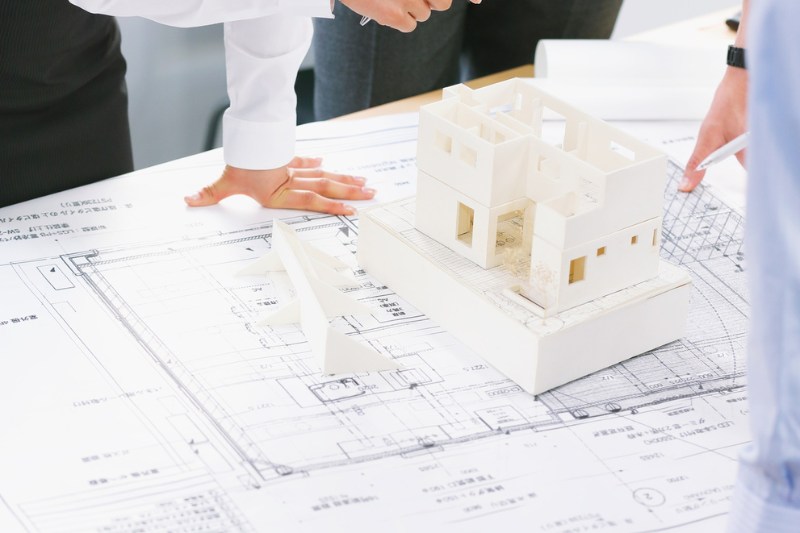
In this step, you’re required to submit your design documentation. This usually includes:
- Architectural floor plans and elevations
- Window schedules and shading details
- Specifications for insulation, appliances, and lighting
- Mechanical or HVAC system details (if available)
These documents allow us, as the assessors, to create a detailed model of your home. The better the documentation, the more accurate your energy rating will be.
Most councils across Australia now require Whole-of-Home compliance reports as part of the planning approval stage. This means that if you get this right from the beginning, you can save time later.
Step 3: Energy Modelling and Analysis
This is where the real work happens, but it’s handled entirely by us (your assessors). Using the NatHERS Whole-of-Home tool, we simulate how your home will perform once built.
The tool measures the total energy use of key systems, including heating, cooling, lighting, hot water, and renewable sources such as solar panels.
Each element is analysed together to calculate your home’s overall energy performance and carbon footprint. The results are then expressed as a star rating out of 10, along with a detailed energy-use score, to give you a clear picture of your home’s power consumption.
Step 4: Review and Recommendations
After the modelling is complete, we prepare a draft report showing your results and identify any areas for improvement. Sometimes it’s only a few minor design adjustments that can make a massive difference in the long term. For instance:
- Improving insulation thickness
- Upgrading to higher-efficiency appliances
- Optimising solar panel orientation
- Increase solar panel system size
- Adjusting glazing or shading for better passive cooling
These recommendations can improve your energy rating and help you save money.
Step 5: Final Compliance Report and Certification
Once you revise your design and meet the performance targets, you’ll receive your final Whole-of-Home Assessment report. This document includes your verified energy rating and compliance certificate, which are required for building permits and council approval.
A typical timeframe for this entire process is:
- For document submission to receive a certificate, most assessments take 3 to 4 days, depending on the complexity of your design.
- The process can also be completed in as little as 1 to 2 business days if your assessor has all the required information and speedy turnaround time is requested.
You might face delays only if your plans need revision, additional data is required, or changes happen after the assessment starts.
What Is Included in a Whole-of-Home Assessment?
A WoH assessment is designed to evaluate how efficiently your home performs as a complete system. Here’s what’s typically covered in the process:
- Heating and Cooling Systems: Energy required to maintain comfort levels year-round.
- Hot Water Systems: Type, efficiency, and energy use of your system.
- Lighting: Power consumption based on design and fixture types.
- Appliances: Major household appliances like fridges, dishwashers, and washing machines.
- Renewable Energy: Contribution from solar or other on-site generation.
- Overall Energy Score: Combined rating that reflects the total efficiency and carbon impact of your home.
By understanding these areas, you’ll see exactly where your design stands and where you can save money by making small upgrades.
Leave the Whole-of-Home Stress to the Experts
Getting a Whole-of-Home assessment might sound simple on paper, but in practice, it can quickly become overwhelming. Many home builders face setbacks simply because a single detail was missed or submitted incorrectly.
So, if you want to avoid costly mistakes, turn to PassivEnergy. Our experienced energy assessors handle everything for you, from document review to final certification. No delays, no confusion, just smooth progress.
Get a free quote now and let us handle the rest!
Here's what to do next!
Free Guide
Request a Quote
Free Consultation

Rob Iacono
Rob is passionate about building strong relationships with his clients, offering practical, no-nonsense advice, and delivering cost-effective solutions that produce positive results. His commitment to sustainability and client satisfaction is the cornerstone of everything he does.
Accreditations:
- NatHERS Assessment (FirstRate 5, HERO)
- BASIX Assessments
- Whole of Homes Assessments - BESS (Advanced) trained