
What is a VURB Assessment?
A Verification Using a Reference Building (VURB) assessment is an alternative compliance pathway under NCC 2022 Volume Two Part H6. Instead of relying only on a 7-star NatHERS rating, VURB allows you to demonstrate compliance by comparing your proposed dwelling to a reference building that is deemed to satisfy the elemental requirements.
In simple terms, we build two models of the home and check how your proposed design performs against a code-compliant benchmark. If the proposed home’s energy performance is equal to or better than the reference home, it is taken to comply—even if the star rating is lower than 7.
This pathway is particularly useful when:
- Your design struggles to achieve 7 stars via software alone
- The required upgrades to glazing or insulation are not commercially feasible
- You wish to retain certain architectural features that are penalised in standard software modelling
By adopting a VURB approach, you can maintain your design intent while still meeting the performance requirements of NCC 2022.
How Specification 44 Fits into NCC Part H6
Within NCC Volume Two Part H6, Specification 44 outlines detailed requirements and methods for showing energy efficiency compliance for Class 1 and 10 buildings using verification approaches such as VURB.
A Specification 44 report documents how:
- The reference building has been defined in line with NCC requirements
- The proposed building has been modelled and compared
- Heating and cooling loads and other performance measures meet the necessary thresholds
For many residential projects, using a Spec 44 report in conjunction with VURB provides a clear, structured, and NCC-recognised way of demonstrating compliance when the standard software or DTS pathways are not ideal.
Our focus moving forward is to prepare high-quality, audit-ready Specification 44 reports that make it easy for building surveyors, designers and builders to understand the basis of compliance.
When is VURB + Spec 44 a Good Option?
Not every home needs a VURB assessment; many will comfortably achieve 7 stars using the standard NatHERS software method. However, some designs are better suited to a performance-based approach like VURB combined with a Specification 44 report. You might consider a VURB / Spec 44 report when:
In these cases, VURB gives you the flexibility to retain the design while still proving that the building’s overall performance is satisfactory when compared to the NCC reference building.

What’s Involved in a VURB Assessment (Specification 44)
Under the VURB method, we use advanced energy modelling software to simulate how the home will perform across the full year, taking into account climate data, construction systems and operating assumptions. This goes beyond a simple star rating and looks at the building’s actual heating and cooling loads.
Our VURB / Spec 44 process typically involves:
- Defining a reference building in accordance with NCC Part H6 and Specification 44, using DTS-compliant construction and standard assumptions
- Developing a detailed proposed building model based on your actual design, materials, and envelope configuration
- Running annual simulations to calculate and compare heating and cooling loads for both buildings
If the proposed building performs as well as or better than the reference building under the criteria of Specification 44, the design is considered compliant with the energy efficiency provisions of NCC 2022.
Software We Use for VURB Modelling
To prepare accurate and robust Spec 44 reports, we rely on recognised energy modelling tools capable of detailed, hour-by-hour simulations. This allows us to assess the real performance of the building under a range of seasonal conditions.
For VURB assessments, we typically use:
- Speckel – for desktop-based analysis and VURB workflows aligned with NCC provisions
- DesignBuilder – for detailed 3D building geometry and dynamic simulation
- IES – for complex or larger-scale modelling where required
Using these tools, we can test different construction options, glazing types and shading strategies to help you achieve compliance in a way that makes sense for your project and budget.

Our Process for VURB & Specification 44 Compliance
We’ve developed a clear, step-by-step process so that your VURB and Spec 44 documentation is both technically sound and easy to follow.
Our typical process looks like this:
- Initial review of design and feasibility – We assess whether VURB is an appropriate pathway or whether a standard NatHERS or DTS approach may be more efficient.
- Reference building definition (Specification 44) – We define and model a DTS-compliant reference building that meets NCC Part H6 and Specification 44 requirements.
- Proposed building modelling – We create a detailed model of your proposed dwelling, including envelope, glazing, shading, and construction systems.
- Energy simulations and comparison – We run simulations to compare heating and cooling loads between the reference and proposed buildings.
- Specification 44 report preparation – We compile a comprehensive Spec 44 report, clearly summarising methodology, assumptions, results and compliance conclusions.
If minor adjustments to the design are required to bring the proposed building into compliance, we will outline practical recommendations and re-test the model where needed.
What You Receive with a VURB / Spec 44 Report
At the end of the process, you’ll receive a complete VURB and Specification 44 report pack ready for submission as part of your building approval documentation.
This typically includes:
- A Specification 44 report outlining the reference building, proposed building and comparative performance results
- Simulation outputs and heating/cooling load summaries
- Recommendations on construction details, glazing and shading where beneficial
- Clear written conclusions that your building surveyor can readily interpret
Our aim is to produce documentation that not only proves compliance, but also gives your team confidence in the building’s real-world performance.
What We Need From You to Get Started
To prepare a VURB assessment and Spec 44 report that accurately reflects your design, we need a good level of detail in your drawings and proposed construction specifications.
Before we commence, please provide:
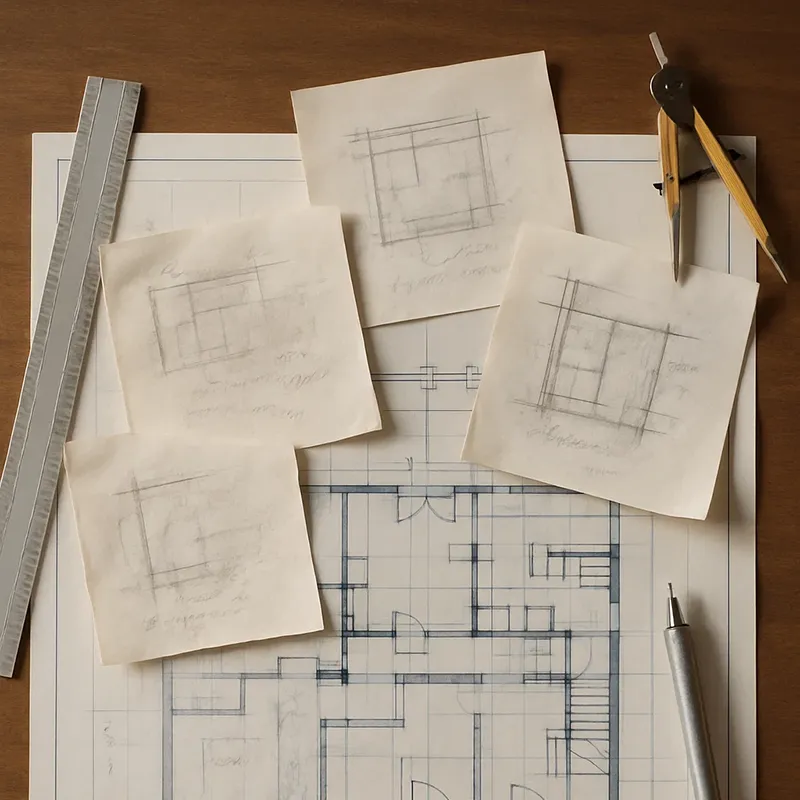
- Architectural drawings – Site plan, floor plans, elevations and sections with materials and levels clearly shown
- Window and door schedule – Sizes, types, opening styles and any known glazing performance data
- Proposed construction build-ups – Wall, roof and floor systems including insulation, cladding and internal linings
- Project location and orientation – Site address and true north so we can use the correct climate data and solar geometry
If specific glazing or construction systems are still being finalised, we can model a reasonable baseline and refine assumptions as decisions are confirmed.

Why Choose Us for VURB & Spec 44 Reports
We work across the full spectrum of NCC compliance pathways—NatHERS, DTS, VURB and Whole of Home—so we can objectively recommend the approach that best suits your project rather than forcing a one-size-fits-all solution.
By engaging us for VURB and Specification 44 reports, you benefit from:
- A performance-based pathway that can unlock design flexibility and cost savings
- Software modelling expertise across Speckel, DesignBuilder and IES
- Documentation that aligns with NCC Part H6 and Specification 44 expectations
- Support in comparing VURB outcomes with alternative compliance options where useful
Whether you are an architect, building designer, builder or developer, we act as your technical partner to help you secure approvals while protecting the integrity of your design.
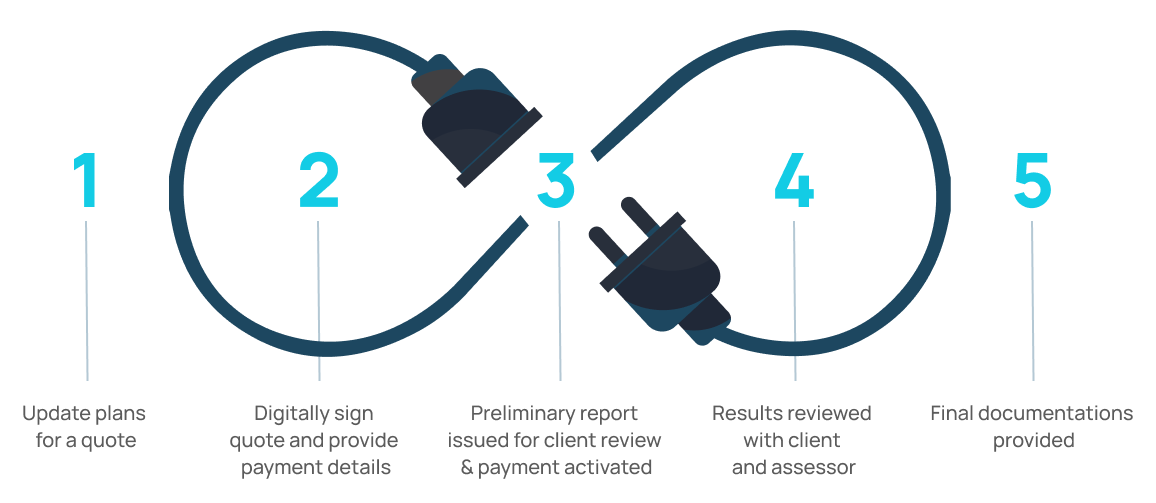
Our fast & efficient process
Getting a 6 Star Energy Rating does not need to be timely, confusing or expensive.
See our work
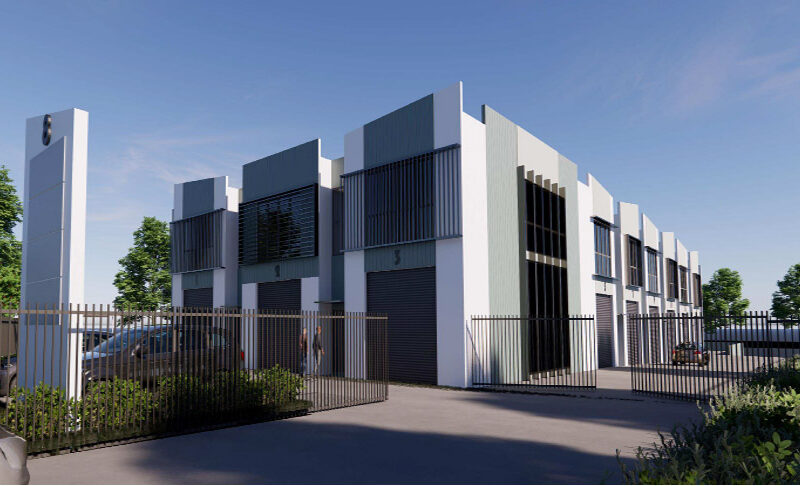
J1V3 Assessments: Flexible and Cost-Effective Solutions for Commercial Buildings
At the heart of our commercial building services is our expertise in preparing J1V3 assessments. These performance-based assessments offer greater flexibility than the standard Section…
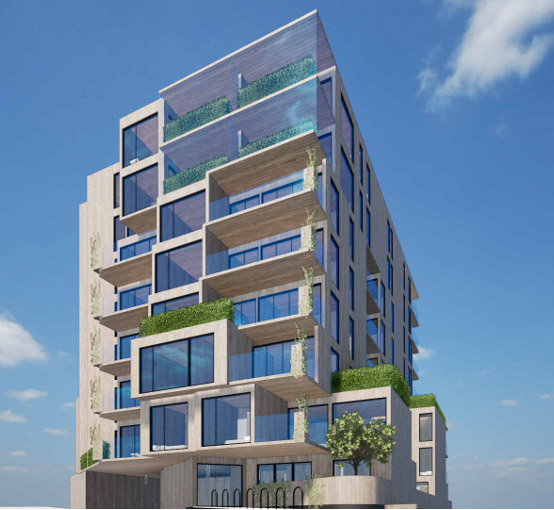
Comprehensive ESD and Waste Management Solutions for Sustainable Living
For this residential development, we provided a range of Environmental Sustainable Design (ESD) services, including preliminary energy ratings, daylight modelling, and waste management planning. The…
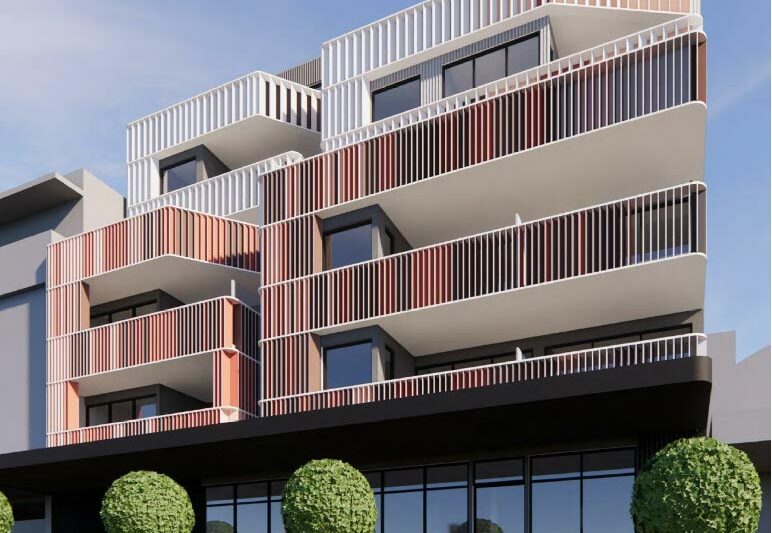
Ensuring Year-Round Comfort and Natural Light with our Comprehensive ESD Services
For this residential apartment project, our team was engaged to provide a suite of Environmental Sustainable Design (ESD) services, including preliminary energy ratings and daylight…
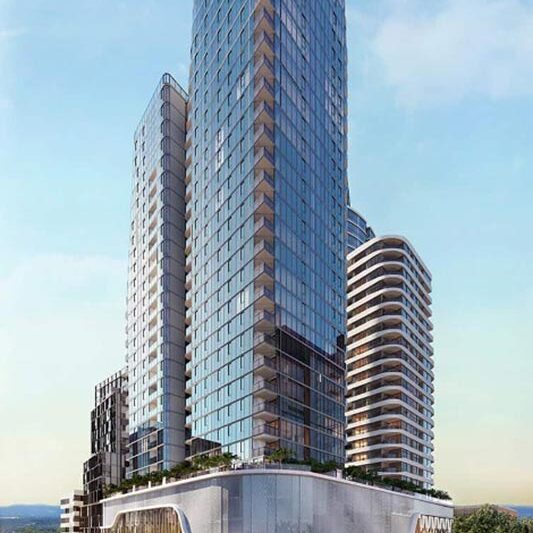
Mastery in Large-Scale Sustainable Development
This ambitious project demonstrated that no job is too big for our team to handle. Comprising 540 apartments and eight levels dedicated to shopping, offices,…
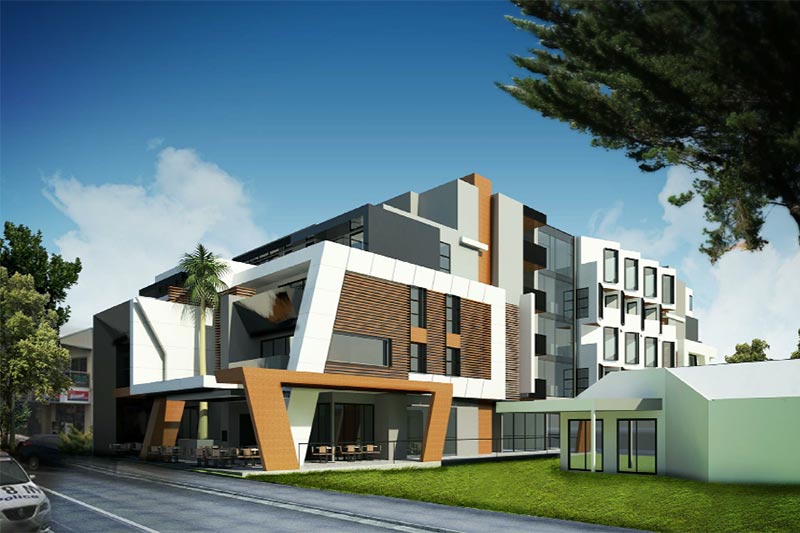
Sustainable Mixed-Use Development Triumphs at VCAT
Our firm was commissioned to provide a suite of services for a complex mixed-use development comprising an apartment building, retail spaces, and a hotel. The…