
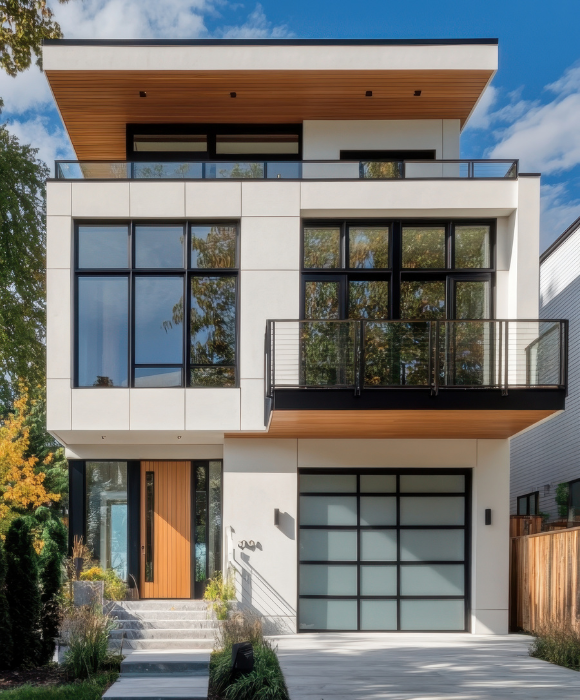
What is Passive Solar Design?
Passive solar design is all about using the sun, shade and breezes to keep a home comfortable with minimal reliance on mechanical heating and cooling. Rather than “adding sustainability” at the end, passive design starts at the earliest concept stage and shapes the building around its site and climate.
At its core, effective passive solar design considers how:
- The home is oriented on the site
- Windows are placed and sized
- Shading and eaves protect openings
- Thermal mass (like concrete slabs or internal masonry) is used
- Insulation and sealing reduce unwanted heat loss and gain
- Cross-ventilation allows night-time cooling and fresh air
When these elements are coordinated early, it becomes much easier to achieve higher NatHERS star ratings, more favourable Whole of Home outcomes, and lower running costs for the life of the building.
Why Passive Design Matters Under NCC 2022
With NCC 2022 lifting minimum performance expectations, good passive design is no longer a “nice-to-have”—it is often the difference between an affordable solution and an expensive upgrade path.
Well-considered passive solar design delivers a range of benefits:
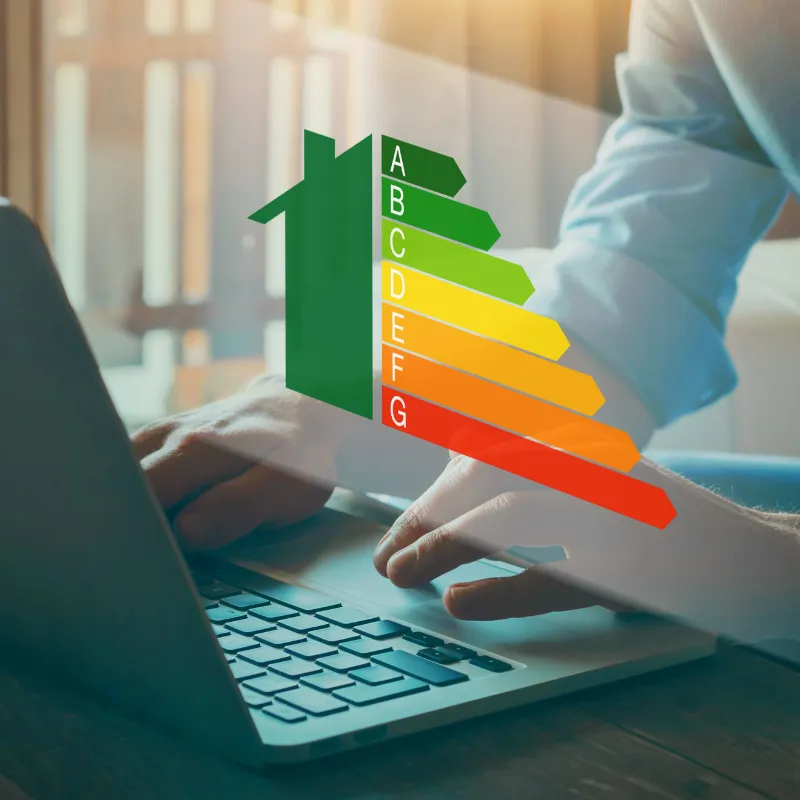
- Improved energy ratings – Designs that work with the climate instead of against it generally achieve 7 stars or more with less effort.
- Lower construction costs – If the layout, orientation and glazing are resolved early, you are less likely to need high-performance glazing or complex envelope upgrades later.
- Reduced operating costs – Heating and cooling loads are lower, which reduces reliance on mechanical systems and ongoing energy bills.
- Better comfort and liveability – Homes feel more stable in temperature, with better daylight, less glare and more natural ventilation.
Instead of relying solely on “fixes” like extra insulation or expensive glass, our passive design consulting focuses on getting the fundamentals right from the start.
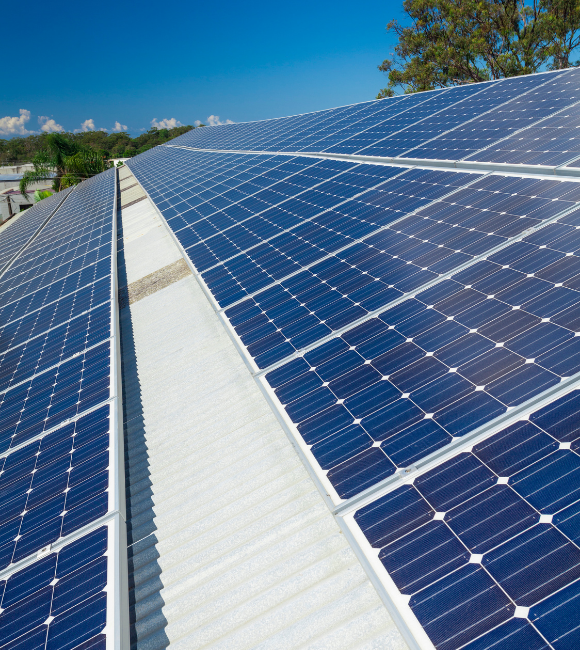
Our Passive Solar Design Consulting Services
We work alongside your design team from the early stages of a project to integrate passive solar principles into the layout, form and detailing of the building. Our goal is to make sure your design performs well in practice, not just on paper.
Depending on the project, our passive design consulting services may include:
Assessing the lot, views, neighbouring overshadowing and prevailing winds to identify the best orientation and layout strategy.
Helping size and position windows by orientation, and advising on eaves, pergolas, fins and blinds to control seasonal sun.
Guiding where and how to use slabs, masonry or other mass elements so they work with solar gain rather than against it.
Assessing the lot, views, neighbouring overshadowing and prevailing winds to identify the best orientation and layout strategy.
Assessing the lot, views, neighbouring overshadowing and prevailing winds to identify the best orientation and layout strategy.
Assessing the lot, views, neighbouring overshadowing and prevailing winds to identify the best orientation and layout strategy.
All advice is provided in practical, project-specific terms so that architects, designers and builders can integrate it easily into their documentation.
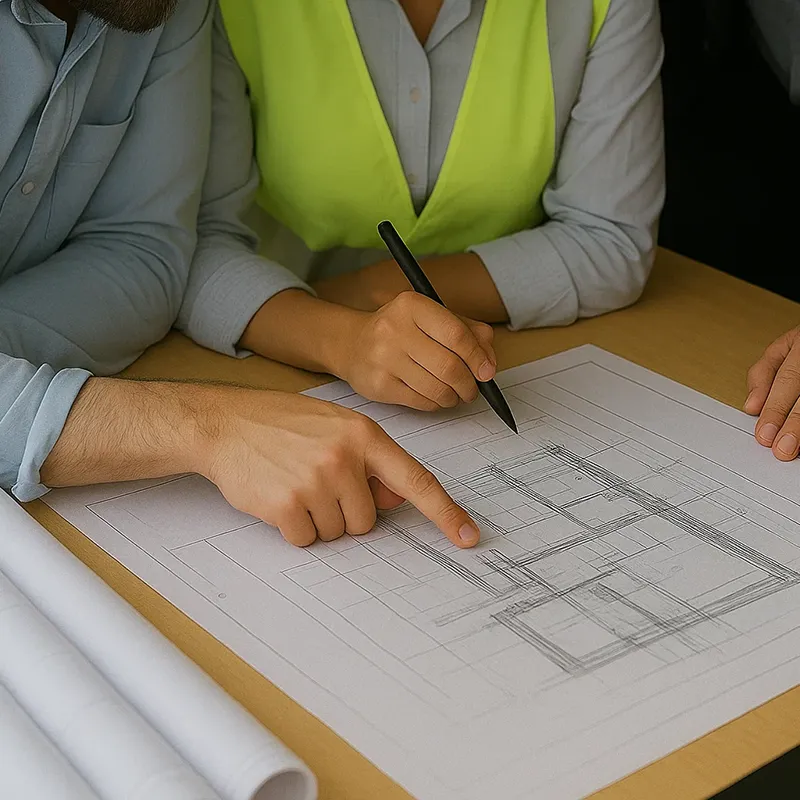
Who We Work With
Our passive solar design consulting is tailored to professionals and clients who want to lift performance without losing control of budget or aesthetics.
We commonly work with:
- Architects – As a technical partner to support design decisions and backing them up with modelling where helpful.
- Building designers – To help meet higher energy efficiency targets and avoid difficult late-stage changes.
- Builders and developers – Particularly on townhouse and multi-unit projects, where small improvements multiplied across dwellings make a big difference.
- Owner-builders and custom home clients – Who want a comfortable, low-energy home and value early performance insights.
Whether you are working on a single bespoke home or a multi-dwelling development, we adjust the level of detail to suit the project scale and budget.
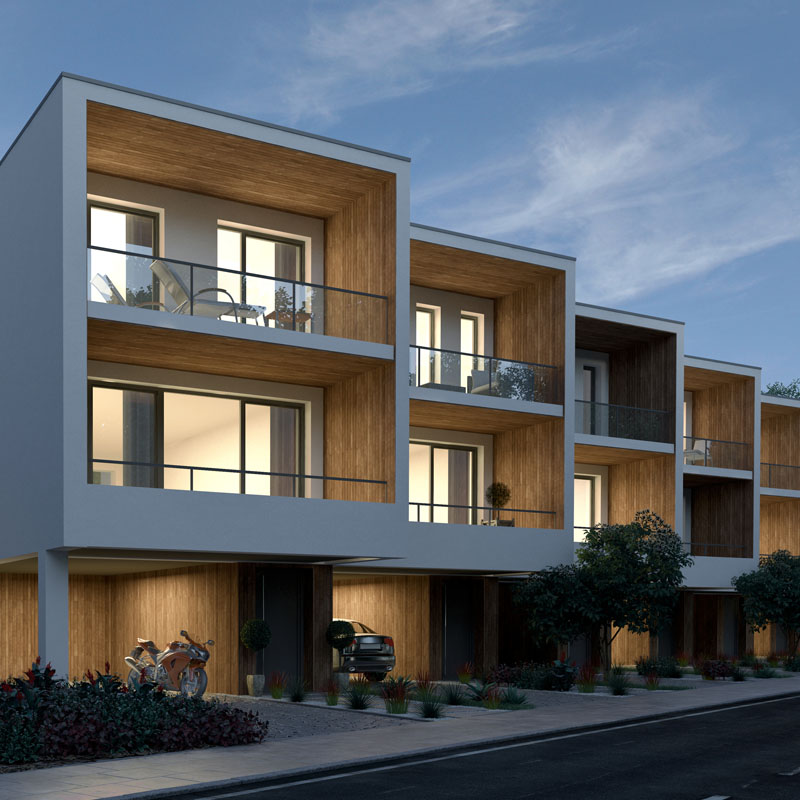
How Our Passive Design Process Works
We follow a collaborative and transparent process so that you can see how passive design decisions are influencing performance at every step. Our aim is to support design intent, not override it.
A typical engagement looks like this:
- Briefing and document review – We review the site information, preliminary drawings and any performance targets (e.g. 7 stars, Whole of Home score, council ESD requirements).
- Passive design opportunities assessment – We identify areas where orientation, glazing, shading or layout can be improved without fundamentally changing the concept.
- Design feedback and sketch options – We provide written advice, marked-up drawings and suggested strategies that your design team can incorporate into the next revision.
- Preliminary modelling (if required) – For selected options, we conduct early-stage thermal or NatHERS-style modelling to test the impact of design changes.
- Coordination with energy ratings and WoH – As the design stabilises, we integrate our passive design advice with the final NatHERS energy rating and Whole of Home assessment, ensuring a consistent, compliant outcome.
Throughout, we keep communication clear and practical so everyone understands why particular changes are recommended and what benefits they bring.
Integrating Passive Design with NatHERS, Whole of Home and ESD
Passive solar design doesn’t exist in isolation; it underpins the performance you see in your formal compliance documents and ESD reports. When we are engaged across multiple services, we make sure everything lines up.
We can help you integrate passive solar design with:
- NatHERS energy ratings – Ensuring that orientation, glazing and shading are optimised before the final rating is locked in.
- Whole of Home assessments – Reducing heating and cooling loads through design, which in turn lowers system sizes and improves WoH scores.
- BESS or council ESD reports – Demonstrating better passive design outcomes in daylight, natural ventilation and energy sections.
By bringing these elements together, you get a coherent performance strategy rather than a series of disconnected compliance steps.
What We Need From You to Get Started
To provide meaningful passive solar design advice, we need enough detail to understand the site, context and design intent—but not necessarily fully resolved construction drawings.
Ideally, please provide:
- Site information – Site plan, orientation, contours (if available) and any known overshadowing constraints.
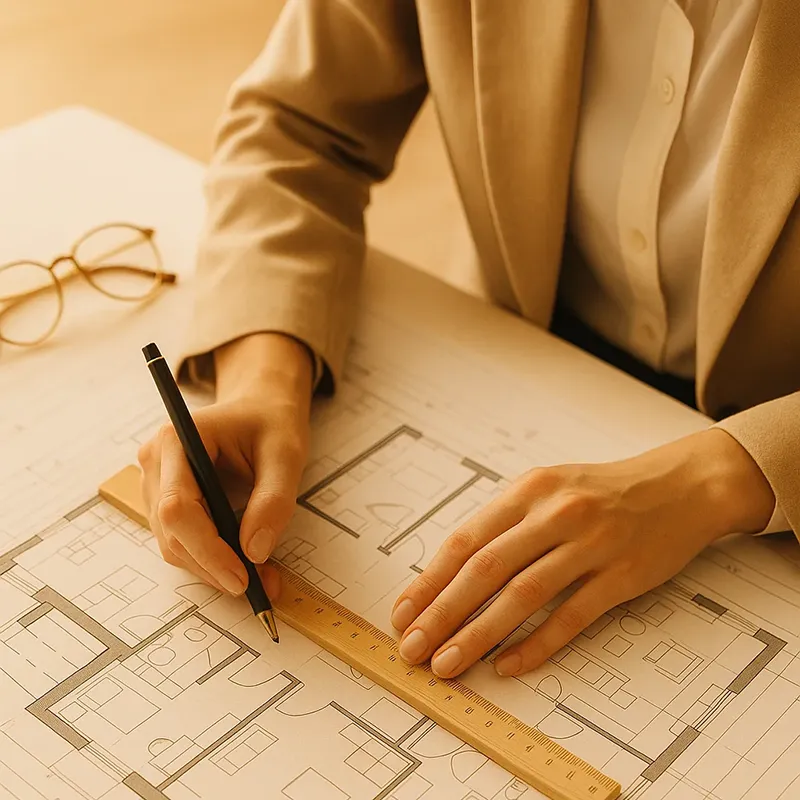
- Concept or schematic floor plans – Even early-stage sketches are fine, as long as room uses and basic arrangements are clear.
- Preliminary elevations or massing – So that we can consider roof forms, wall heights and shading opportunities.
- Performance goals – Any desired star rating, WoH target or council ESD requirement we should keep in mind.
If you’re still at a very early concept stage, we can work with simple massing diagrams and evolve the advice as your design develops.

Why Choose Us
Because we also prepare NatHERS ratings, Whole of Home assessments, DTS reports, VURB/Specification 44 reports and ESD scorecards, we see how passive design decisions play out right through to compliance and construction.
Working with us gives you:
- Advice grounded in real modelling and regulatory experience, not just theory
- A focus on cost-effective improvements that won’t blow out the budget
- Consistency between your design decisions and formal energy/ESD documentation
- A practical, collaborative approach that respects your architectural intent
Our goal is always the same: to help you create homes that are easier to approve, cheaper to run and far more comfortable to live in.
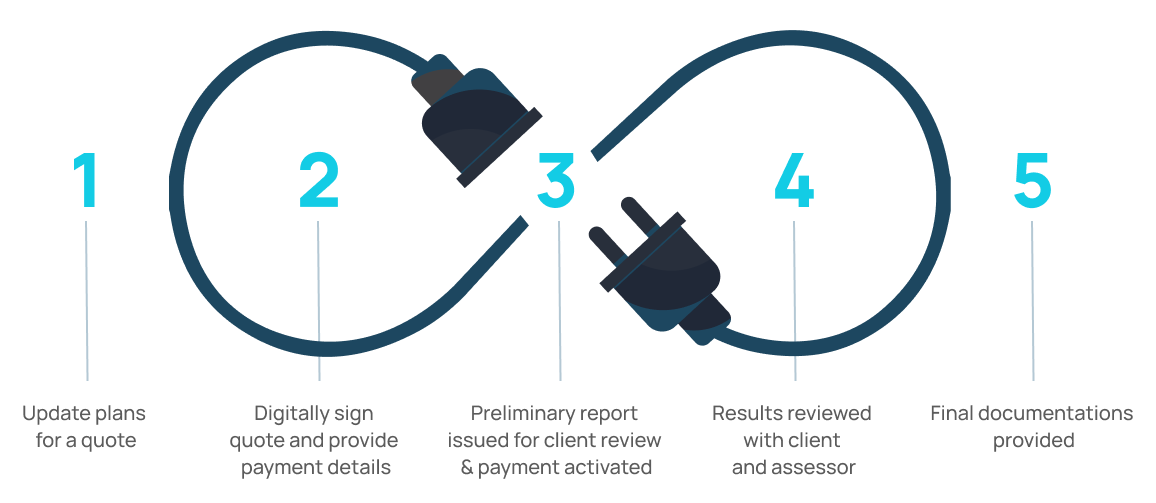
Our fast & efficient process
Getting a 6 Star Energy Rating does not need to be timely, confusing or expensive.
See our work
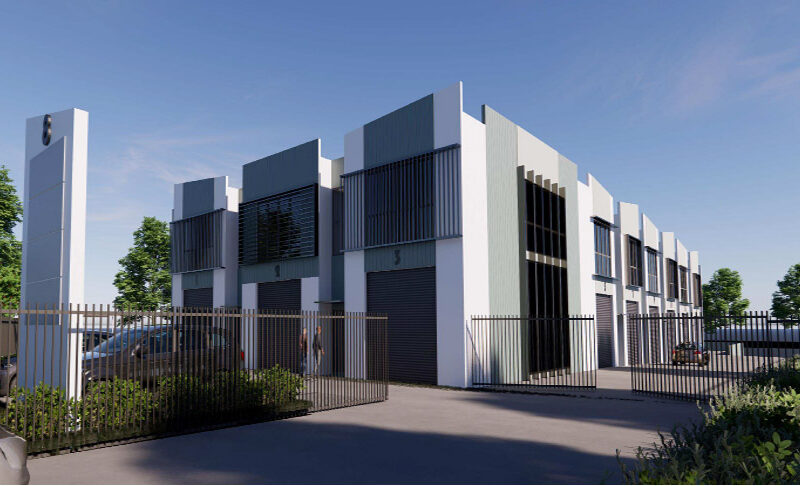
J1V3 Assessments: Flexible and Cost-Effective Solutions for Commercial Buildings
At the heart of our commercial building services is our expertise in preparing J1V3 assessments. These performance-based assessments offer greater flexibility than the standard Section…
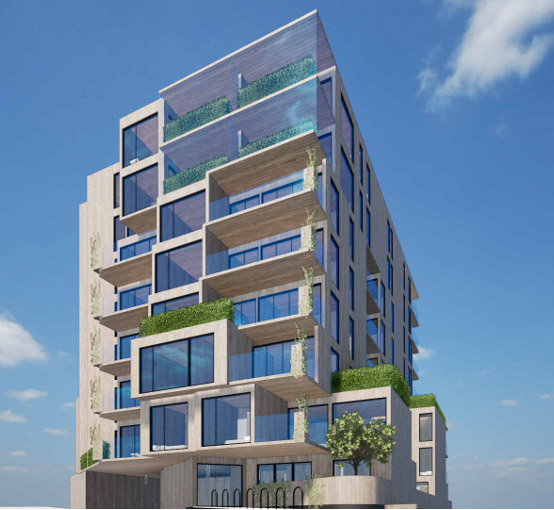
Comprehensive ESD and Waste Management Solutions for Sustainable Living
For this residential development, we provided a range of Environmental Sustainable Design (ESD) services, including preliminary energy ratings, daylight modelling, and waste management planning. The…
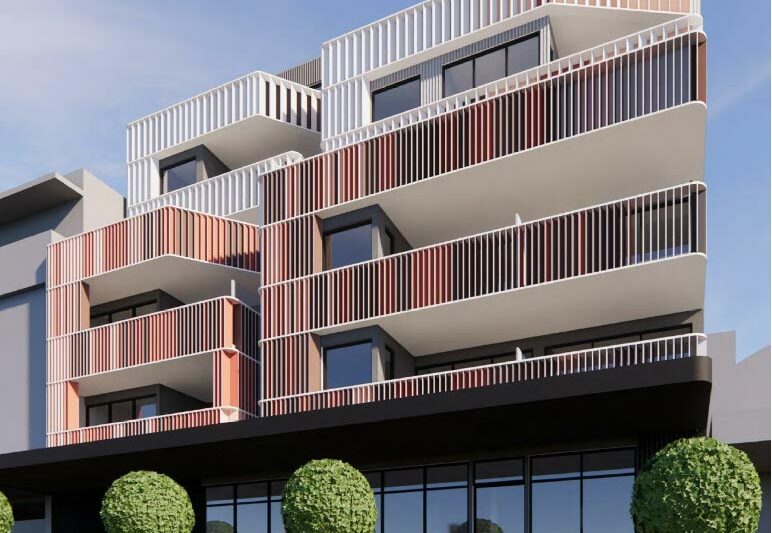
Ensuring Year-Round Comfort and Natural Light with our Comprehensive ESD Services
For this residential apartment project, our team was engaged to provide a suite of Environmental Sustainable Design (ESD) services, including preliminary energy ratings and daylight…
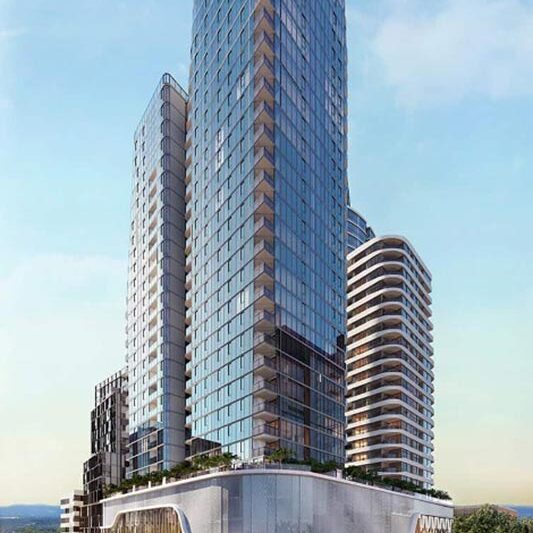
Mastery in Large-Scale Sustainable Development
This ambitious project demonstrated that no job is too big for our team to handle. Comprising 540 apartments and eight levels dedicated to shopping, offices,…
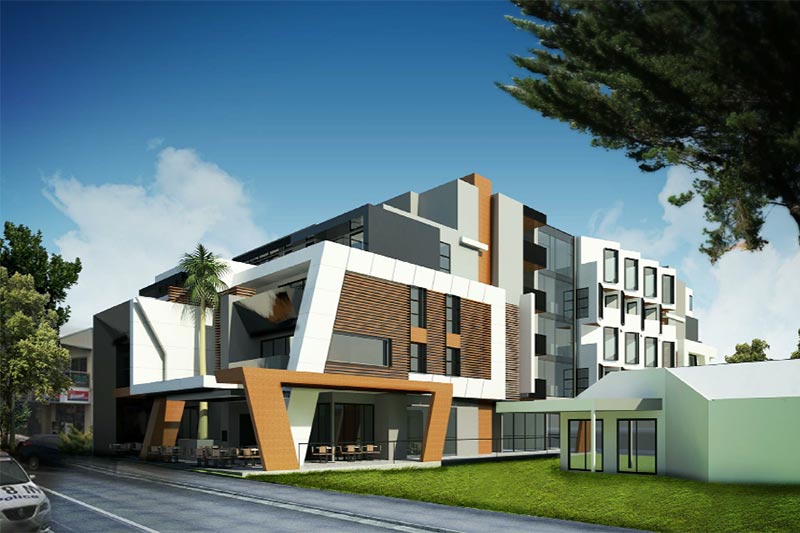
Sustainable Mixed-Use Development Triumphs at VCAT
Our firm was commissioned to provide a suite of services for a complex mixed-use development comprising an apartment building, retail spaces, and a hotel. The…