
What is a DTS Energy Efficiency Report?
A DTS Energy Efficiency Report (Deemed-to-Satisfy) is a compliance pathway under NCC 2022 Volume Two Part H6 that demonstrates your dwelling meets the energy efficiency requirements by following prescribed elemental provisions.
Instead of relying on a 7-star NatHERS software rating, the DTS approach checks that key components of the building fabric and services meet minimum performance levels. This method focuses on tangible construction details rather than simulated star ratings.
In a typical DTS energy efficiency report, we assess and document compliance for components such as:
- Roof, ceiling, wall and floor insulation
- Glazing and shading performance
- Building sealing and draught control
- Lighting efficiency and controls
By using the elemental provisions pathway, you can often achieve a clear and simple route to compliance, especially for straightforward designs or projects with tight budgets.
When is the DTS Pathway a Good Option?
The DTS approach is most effective when the design is relatively simple and the goal is to meet the code efficiently, without investing in high-end glazing or detailed modelling.
You might consider a DTS energy efficiency report when:
- Your project is less than 500m2 or standard-form dwelling with conventional construction
- A 7-star NatHERS rating is difficult or expensive to achieve
- You want to avoid UPVC glazing or complex insulation systems
- You’re working with a builder who prefers familiar, DTS-style construction details
In these situations, the DTS elemental provisions can provide a predictable and transparent pathway to compliance, while still meeting all NCC 2022 energy efficiency obligations.
DTS vs NatHERS – Which Pathway is Best?
Both DTS and NatHERS software ratings are fully compliant methods, but they suit different types of projects. We regularly assess designs under both pathways and recommend the most cost-effective approach for you. Broadly speaking:
DTS Energy Efficiency Report
DTS elemental provisions are often better for simpler projects, where the priority is to meet minimum compliance using familiar construction systems and standard building products.
NatHERS
NatHERS software ratings are ideal for designs that embrace passive solar principles, higher performance outcomes, or complex layouts, and can often unlock design flexibility.
Our role is to test both options where appropriate and explain which pathway will achieve compliance with the least cost and disruption to your design.

What’s Assessed in a DTS Energy Efficiency Report?
Under the DTS pathway, we evaluate whether your design satisfies the minimum elemental performance criteria set out in NCC 2022. We translate the code provisions into clear, project-specific requirements for your builder and surveyor.
As part of this process, we typically assess:
- Insulation requirements – Minimum R-values for roofs, ceilings, external walls and floors, based on your climate zone and construction type.
- Glazing performance – Window and door performance (U-values and SHGC) and total glazing area relative to floor area and orientation.
- Building sealing – Requirements around draught control, weather stripping and construction details to limit unwanted air leakage.
- Lighting efficiency – Maximum lighting power densities and the use of efficient fittings, particularly in habitable rooms and external areas.
By converting these technical NCC requirements into a clear, practical specification, we ensure everyone on your project team understands exactly what is needed to remain compliant.
Our Process for DTS Energy Efficiency Compliance
We follow a structured process so that you receive an accurate, easy-to-follow DTS energy efficiency report that aligns with your design intent and construction budget.
Our typical workflow includes:
- Review of architectural drawings – We review your plans, elevations, sections and window schedule, and confirm the relevant NCC 2022 climate zone and building classification.
- Identification of applicable DTS provisions – We determine which elemental provisions apply to your project and which areas need detailed calculation (e.g. glazing allowances, insulation upgrades).
- Calculation of minimum insulation and glazing specs – Using NCC calculators and climate-specific assumptions, we identify the minimum R-values and glazing performance needed to comply.
- Optimisation of construction choices – Where there is flexibility, we look for cost-effective combinations of insulation and glazing that maintain compliance without unnecessary overspecification.
- Preparation of a clear DTS report – We compile a concise, easy-to-read DTS energy efficiency report suitable for your building surveyor and builder, along with schedules and notes for your drawings.
If we find during this process that a NatHERS rating may offer a better outcome, we will flag this and can model the design under both methods for comparison.


What You Receive with a DTS Energy Efficiency Report
At the end of the process, you’ll have a complete documentation package that clearly outlines your compliance obligations and makes life easier for your designer, builder and surveyor.
Your DTS report will typically include:
- A NCC 2022 DTS Energy Efficiency Compliance Summary
- A schedule of required insulation R-values for roof, ceiling, walls and floors
- Glazing performance requirements (U-value and SHGC) and any orientation-specific notes
- Notes on building sealing, including doors, windows and construction junctions
- Lighting efficiency guidance, where relevant for the scope of works
Where appropriate, we can also provide suggested construction build-ups and notes suitable for inclusion on your architectural drawings, helping ensure the design intent is carried through to site.
What We Need From You to Get Started
To prepare a DTS energy efficiency report that accurately reflects your design and minimises unnecessary upgrades, we need a clear set of drawings and basic specification information.
Before we begin, please provide:
- Architectural drawings – Site plan, floor plans, elevations and at least one section showing floor and roof construction.
- Window and door schedule – Sizes, types and, if available, any known U-values and SHGC values.
- Proposed construction details – Wall, roof and floor build-ups, including any insulation you are already considering.
- Project location and climate zone – Site address or locality so we can confirm relevant climate data and NCC requirements.
If some information is still being finalised, we can work with reasonable assumptions and highlight where confirmation will be needed before construction.


Why Choose Us for DTS Energy Efficiency Reports
At the end of the process, you’ll have a complete documentation package that clearly outlines your compliance obligations and makes life easier for your designer, builder and surveyor.
Your DTS report will typically include:
- A NCC 2022 DTS Energy Efficiency Compliance Summary
- A schedule of required insulation R-values for roof, ceiling, walls and floors
- Glazing performance requirements (U-value and SHGC) and any orientation-specific notes
- Notes on building sealing, including doors, windows and construction junctions
- Lighting efficiency guidance, where relevant for the scope of works
Where appropriate, we can also provide suggested construction build-ups and notes suitable for inclusion on your architectural drawings, helping ensure the design intent is carried through to site.
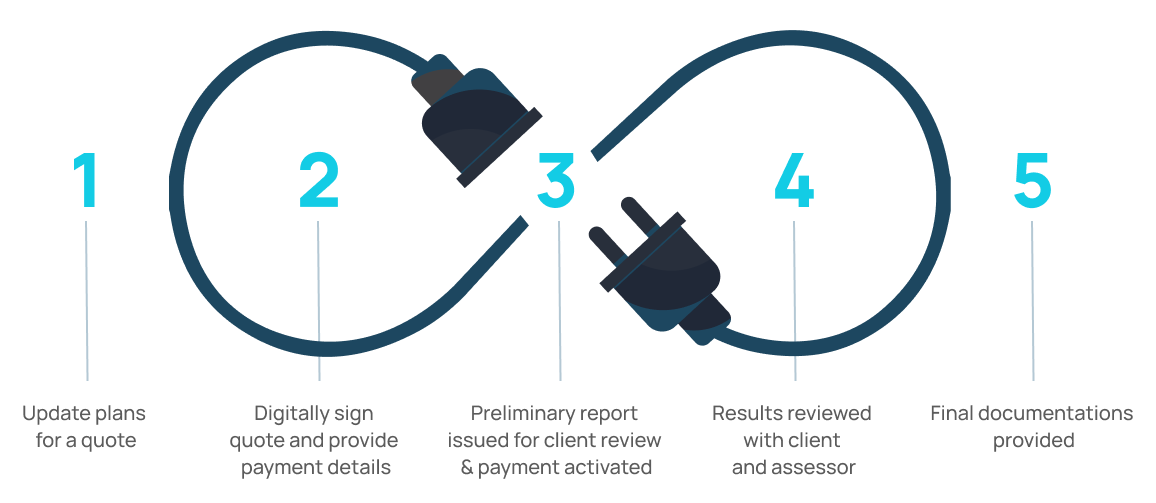
Our fast & efficient process
Getting a 6 Star Energy Rating does not need to be timely, confusing or expensive.
See our work
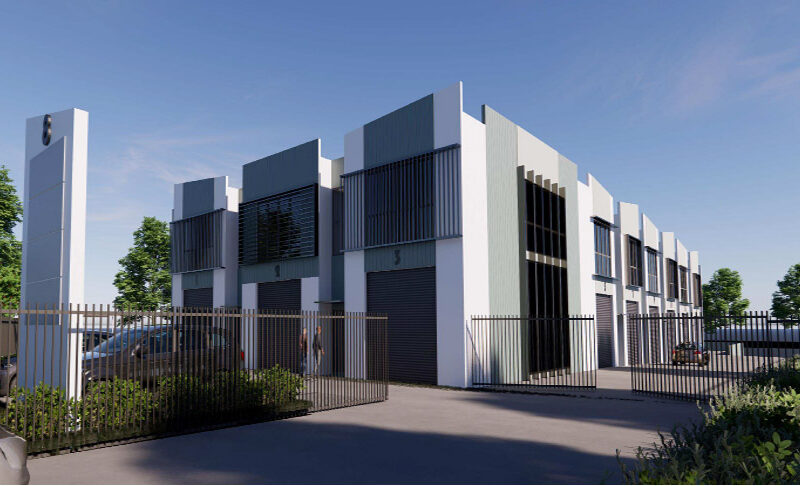
J1V3 Assessments: Flexible and Cost-Effective Solutions for Commercial Buildings
At the heart of our commercial building services is our expertise in preparing J1V3 assessments. These performance-based assessments offer greater flexibility than the standard Section…
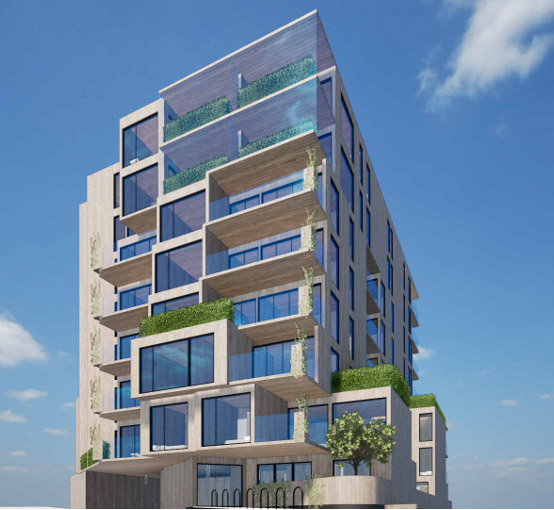
Comprehensive ESD and Waste Management Solutions for Sustainable Living
For this residential development, we provided a range of Environmental Sustainable Design (ESD) services, including preliminary energy ratings, daylight modelling, and waste management planning. The…
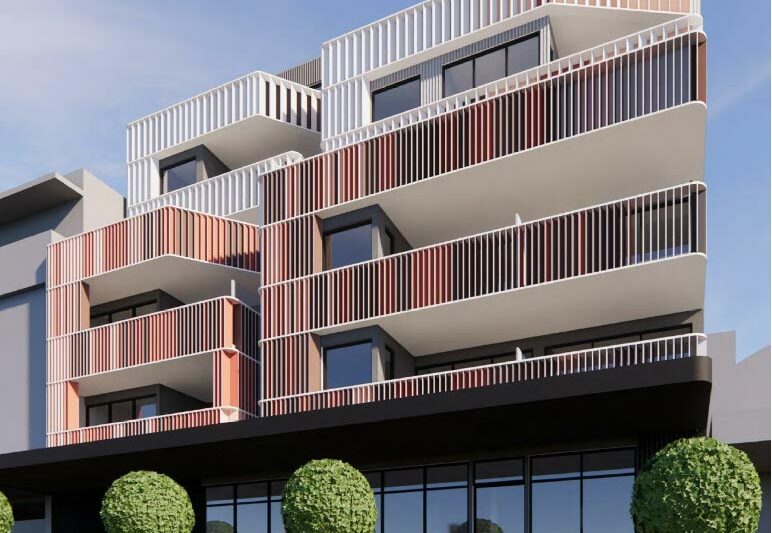
Ensuring Year-Round Comfort and Natural Light with our Comprehensive ESD Services
For this residential apartment project, our team was engaged to provide a suite of Environmental Sustainable Design (ESD) services, including preliminary energy ratings and daylight…
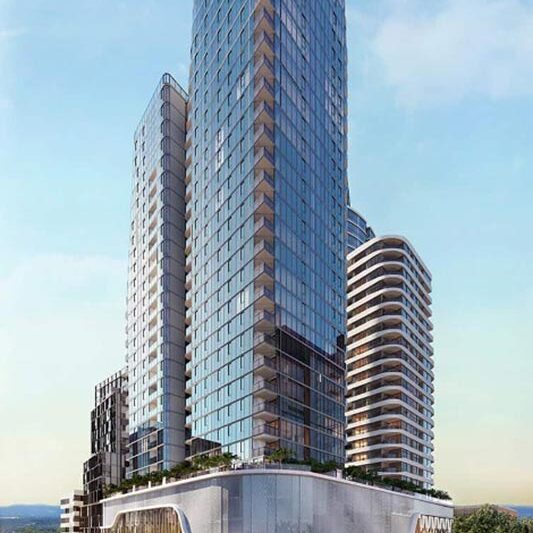
Mastery in Large-Scale Sustainable Development
This ambitious project demonstrated that no job is too big for our team to handle. Comprising 540 apartments and eight levels dedicated to shopping, offices,…
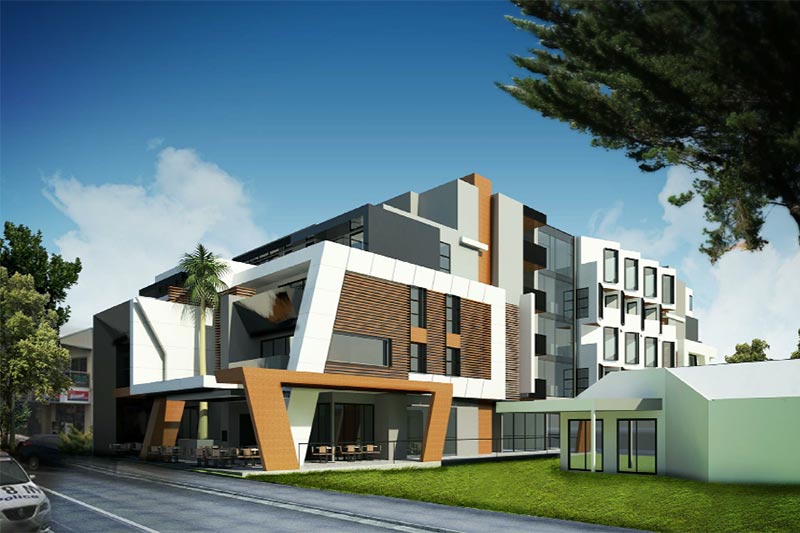
Sustainable Mixed-Use Development Triumphs at VCAT
Our firm was commissioned to provide a suite of services for a complex mixed-use development comprising an apartment building, retail spaces, and a hotel. The…