
Building Tips
By Category

R-Value vs. U-Value: What’s the difference?
R-value and U-value are important measures in building sustainability but can be confusing. Let us explain what they mean and their key differences.

NatHERS vs. BASIX: What Builders Should Know
NatHERS and BASIX are crucial assessments for sustainable housing in Australia. Let’s understand how they work and the major differences between them.

U-Value vs SHGC: What You Should Know
Confused about the differences between SHGC and U-Value? Let us help by explaining what these critical energy performance metrics mean.
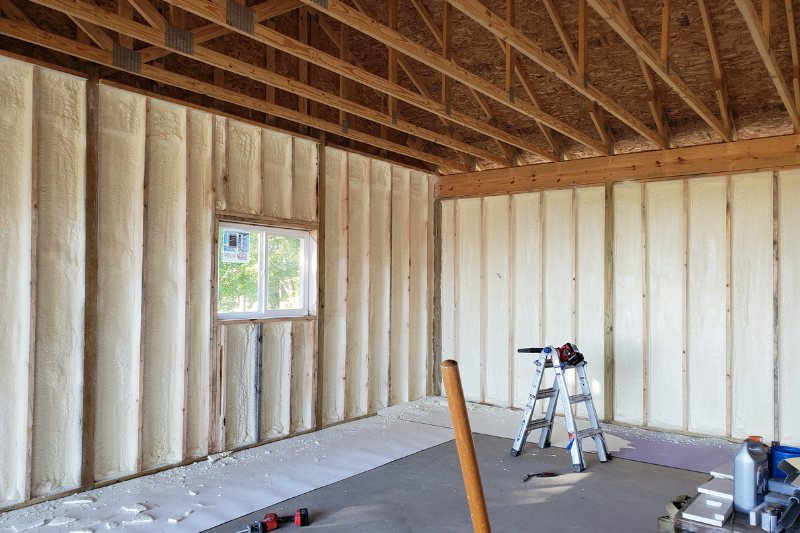
How is Insulation and Glazing Calculated With a 7-star Energy Rating
Want to achieve a 7-star rating for your home? Remember, insulation and glazing—are the two most important aspects that make all the difference.
What is a J1V3 Assessment in the National Construction Code?
J1V3 assessment is a critical part of the NCC that lets you use advanced simulations to achieve higher Star rating. Let us understand what it is.
ESD vs SDA vs SMP: The Differences Explained
Sustainable development in Australia is advancing rapidly. Learn about ESA, SDA and SMP in our guide and understand how they help design sustainable housing.
How to Reduce Insulation and Glazing Specifications for a 7-Star Energy Rating
Insulation and glazing are often considered the main drivers behind energy efficiency in a home and for a good reason. They decide how much heat enters the interiors and how much of it escapes. Problems arise when people start focusing more on materials and expensive upgrades instead of working on passive design principles to improve…
How Does a J1V3 Report Differ from a Section J Assessment?
The Section J Assessment and the J1V3 report often come up in discussions about achieving the mandatory energy efficiency requirements for Australian commercial buildings. Both are part of the National Construction Code of Australia (NCC), which was previously called the Building Code of Australia (BCA). While Section J has a straightforward process based on the…
How Does the Energy Rating Software Calculate a 7-Star Energy Rating?
There are four accredited softwares that can be used to prepare a 7 star energy rating report. Accurate, HERO, FirstRate 5 and Bers Pro. The option to prepare an energy rating to assess the dwellings thermal performance provides a more accurate energy assessment over the elemental provision pathway found in the NCC 2022: Part H…
What are the Two Options to Achieving a 7 Star Energy Rating?
Australia has made net zero a clear priority with the release of the 2022 National Construction Code (NCC), which targets residential spaces. The NCC requires architects and builders to create homes that reach the 7-star energy standards, resulting in benefits like lower energy bills, limited greenhouse gas emissions, and a healthier living space. Since building…
- « Previous
- 1
- 2
- 3
- Next »